
Electric vehicles (EVs) are becoming more popular every year, and for good reason. They are efficient, environmentally friendly, and convenient. One of the biggest questions homeowners have is what it takes to add an EV charger at home.
If you’re considering making the switch, this guide will walk you through everything you need to know about installing a home EV charger, including requirements and why working with a licensed electrician is important.
Why install an EV charger at home?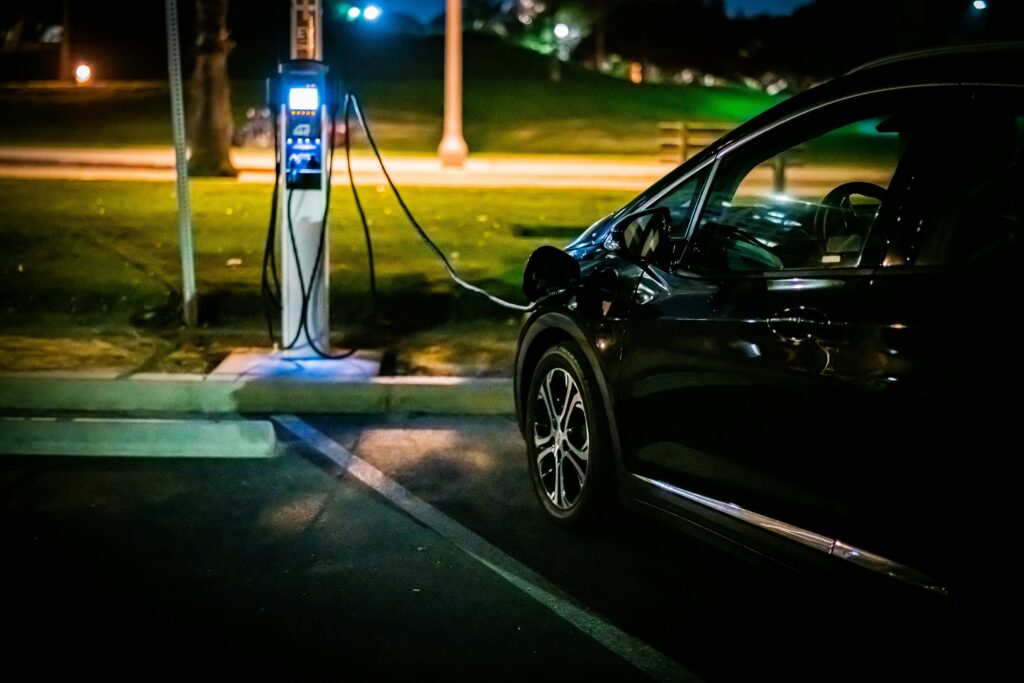
While you can charge your vehicle using a standard wall outlet, most homeowners find that it is not practical for everyday use.
Benefits of a home EV charger include:
- Faster charging times, especially with Level 2 chargers
- The convenience of charging overnight at home
- Lower energy costs compared to public charging
- Increased home value and appeal
Types of EV chargers
Before installing, it is important to understand your options.
Level 1 charger Uses a standard 120V outlet. Charging is slow, typically adding only a few miles of range per hour. This option works best for drivers with minimal daily mileage.
Level 2 charger Uses a 240V outlet like what powers a dryer. Charging is significantly faster and is the most common choice for homeowners.
Most homeowners choose a Level 2 charger when adding an EV charger at home because it provides the best balance of speed and convenience.
What’s involved in installation?
Installing an EV charger involves more than simply plugging in a device, especially when installing a Level 2 system. Here is what the process typically includes.
Electrical panel evaluation
An electrician will inspect your electrical panel to determine if it has enough capacity to support the new charger. They will also check for available breaker space and identify whether any upgrades are needed.
Running electrical wiring
A dedicated 240V circuit is usually required. This involves running wiring from the panel to the charger location, which may require cutting into walls or installing conduit.
Installing the charger
The charger is mounted on a wall or connected to a properly installed outlet. The electrician ensures proper grounding and that the installation meets all safety and code requirements.
Permits and inspection
Many areas require permits for EV charger installation. Once the work is complete, an inspection may be required to confirm everything meets local electrical codes.
Do you need a panel upgrade?
Not every home will require a panel upgrade, but it is common in older homes.
You may need an upgrade if your panel has limited capacity, is already near its limit, or if you are adding other high-demand electrical features such as a hot tub or new HVAC system.
A licensed electrician can evaluate your system and determine whether an upgrade is necessary.
Can you install an EV charger yourself?
Some basic charging setups may seem simple, but installing a Level 2 charger involves high-voltage electrical work and should not be treated as a DIY project.
Working with a licensed electrician helps ensure:
- Safe handling of high-voltage wiring
- Compliance with local electrical codes
- Proper permitting and inspection
- Reliable performance over time
Professional installation protects both your home and your vehicle.
Are there rebates or incentives?
In many areas, homeowners may qualify for incentives when installing an EV charger. These can include federal tax credits, local utility rebates, or state programs designed to encourage energy-efficient upgrades.
Checking available incentives can help make the installation more affordable.
Choosing the right location
The best location for your EV charger depends on where you park your vehicle and how your home is set up.
Important factors include:
- Distance from the electrical panel
- Whether the charger will be installed indoors or outdoors
- Ease of access for daily use
An electrician can help determine the most practical and efficient placement.
Final thoughts
Adding an EV charger at home is one of the most practical upgrades for electric vehicle owners. It provides convenience, faster charging, and long-term benefits for your home.
Because every home’s electrical system is different, having a professional handle the installation ensures the setup is safe, efficient, and built to meet your needs.
Ready to install an EV charger?
If you are thinking about adding an EV charger at home, a licensed electrician can guide you through the process from start to finish.
Contact us today to schedule an evaluation and take the next step toward a more convenient and efficient home charging solution.